The author and entity layer that earns AI Overview citations
By Nimitt Bhatt · 21 June 2026 · 10 min
AI engines cite people and organisations they can identify. Two pages with near-identical content, one published under a verified author with a real bio on a domain with strong entity signals, the other under a generic Admin byline on a site with no Organisation schema, are treated very differently. The anonymous one almost never earns a citation. The author and entity layer is the unglamorous plumbing that quietly unlocks visibility in Google AI Overviews, Perplexity and ChatGPT search. Indian brands, in particular, are systematically under-invested here.
This essay is the identity-layer companion to how to rank in Google AI Overviews from India. It covers what an entity-strong author looks like, the organisation signals that matter in India, the exact JSON-LD patterns we ship, and the 90-day sequence to go from anonymous to citable.
Why identity is the gating signal for AI citations
Classical ranking algorithms optimise for a query-to-page match. Answer engines optimise for a query-to-source match. That distinction is the whole story. The model needs to know who the source is, what they are known for, and whether their claims can be trusted. Without an entity to attach the answer to, the safest choice is to cite someone else. In India, this failure mode is everywhere: strong content, anonymous author, invisible brand.
What an entity-strong author bio looks like
- →Real first and last name, never a generic byline like Admin, Editor, Team or the company name itself
- →A 60 to 100 word bio with concrete credentials, years of experience, publications, notable clients or a professional qualification
- →A photograph of the actual person, not a stock avatar or an AI illustration, ideally the same face across LinkedIn and the site
- →Person schema on every article they write, with sameAs links to LinkedIn, X, GitHub, Crunchbase, Wikipedia and any professional registry that applies
- →A dedicated author page on the domain listing every post they have written, with its own Person JSON-LD
- →Consistent name spelling everywhere online, one variant tied to one entity, no punctuation drift
Organisation entity signals that AI engines actually read
- →Organization schema on every page with a consistent name, logo URL, contact point, address and full sameAs array
- →A Knowledge Graph-recognised entity for the company, earned through consistent off-site mentions and a Google Business Profile that ties address and name to the domain
- →Verified social profiles under the exact same brand name on LinkedIn, X, YouTube, Instagram and Crunchbase, plus a Wikipedia article if genuinely eligible, do not fabricate one
- →Press mentions on authoritative Indian and global publications that name the brand and link to the domain, five well-chosen mentions beat fifty low-authority ones
- →A stable Wikidata item with the domain, founding date, industry and founders, this is the single fastest lever we see for AI recognition in India
The JSON-LD stack we ship on every client site
- →Organization on the homepage, WebSite with SearchAction, and a Person for the founder or primary spokesperson
- →Article on every essay with author as a Person reference, publisher as an Organization reference, and datePublished plus dateModified in ISO format
- →BreadcrumbList on every non-home page so the model can place the essay inside a topical hierarchy
- →FAQPage only where the questions are genuinely on the page, never bolted on as a citation trick
- →ProfessionalService or LocalBusiness on service pages with areaServed for the cities you actually operate in
"If Google cannot identify you as an entity, the AI Overview will not cite you, no matter how well written the page is."
Why Indian brands under-invest here, and why that ends in 2026
Indian founders historically got away without entity work because Google's ranking model was forgiving enough that a decent domain with 40 posts could rank on long-tail queries. AI surfaces removed that slack. We have audited Indian SaaS sites that rank in the organic top three and still earn zero AI Overview citations purely because the entity layer is absent. The fix takes 8 to 12 weeks. The citation gains, once entity recognition kicks in, are immediate and disproportionate.
The 90-day sequence for an Indian brand
- →Weeks 1 to 2, audit the current entity footprint, list every mention of the brand and founder online, note inconsistencies in name, logo and description
- →Weeks 3 to 4, ship Organization and WebSite schema across every page, normalise NAP, standardise author bylines, remove every Admin byline
- →Weeks 5 to 6, publish real author pages with Person schema and sameAs, retrofit Article schema onto every existing essay with a real author reference
- →Weeks 7 to 9, create or claim Wikidata, Crunchbase, LinkedIn Company and Google Business Profile entries and cross-link them consistently, earn 3 to 5 authoritative off-site mentions
- →Weeks 10 to 12, monitor AI surfaces weekly for new citations on your priority queries, publish two supporting essays under the founder's byline for each cluster you want to own
How to measure it without kidding yourself
Vanity metrics like schema coverage percentage are useful for QA, not for judging outcomes. The three signals that matter: whether the founder or brand appears in a Google Knowledge Panel, citation share across your priority queries in AI Overviews and Perplexity, and referral sessions from AI-tagged sources trending up quarter on quarter. Anything else is noise.
We build this as part of every AI search and GEO consulting engagement. The GEO pillar guide covers the broader content strategy. How to rank in Google AI Overviews from India covers the page-level mechanics. This essay is the identity spine that makes both of them actually work.
Frequently asked questions
- Does every contributor need a Person schema?
- Every author whose name appears on a published post should have a real bio and Person schema. Casual contributors with one or two posts can use a lighter version, but never use a generic admin byline.
- How long does it take to get into Google's Knowledge Graph?
- There is no fixed timeline. Most well-positioned Indian brands take 6 to 18 months of consistent entity signal building, off-site mentions and structured data work before a Knowledge Panel appears.
- Do AI engines use the same entity signals as Google?
- Largely yes. Perplexity, ChatGPT search and Google AI Overviews all lean on the same underlying entity-graph signals, with each adding its own retrieval layer on top.
- Is a Wikipedia article necessary to be cited by AI Overviews?
- No, but a Wikidata entry with consistent cross-links is close to necessary for stronger entity recognition. Wikipedia helps if the brand is genuinely notable enough to survive editorial review. Do not attempt to create one prematurely, rejected drafts hurt more than they help.
- How do I fix years of anonymous posts without republishing everything?
- Retrofit Article schema on every legacy post with the correct author reference and datePublished, add the author bio block at the top of each post, and let Google recrawl. You do not need to change the body copy, only the author signal and the metadata.
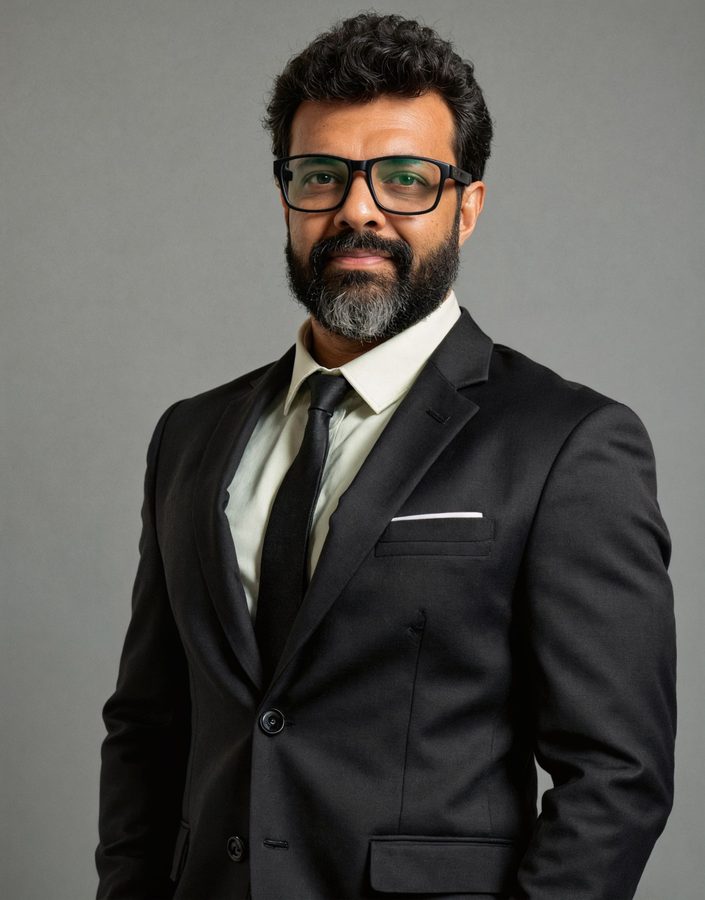
Nimitt Bhatt
Founder, SEO Rise. MBA, PGDM in Digital Marketing & Communications, and 20 years across sales and marketing leadership at Reliance Jio, Vodafone and ICICI, now running founder-led SEO advisory across India.
I started SEO Rise in 2024 to work directly with founders and marketing leads, no account managers in between. Every audit, every plan and every reply comes from me.
Tell Us What You Need